
Bali for Digital Nomads: Canggu, Ubud & Beyond
Few places in the world have captured the imagination of digital nomads quite like Bali. Once known mainly for surf breaks, temples and honeymoon resorts, the Indonesian island has quietly transformed into one of the most established remote work destinations on the planet. Today, Bali is home to tens of thousands of freelancers, founders, creatives and remote employees who have chosen palm trees over office towers.
But Bali is not a single experience. Where you base yourself shapes how productive you are, how much you spend and how sustainable your lifestyle becomes over the long term. The difference between thriving and burning out often comes down to choosing the right area, setting realistic expectations and planning your connectivity properly before you arrive.
This long‑form guide is designed to help you do exactly that. Whether you are planning your first remote stint abroad or returning to Bali with more experience under your belt, we will break down the best areas for digital nomads, real costs, WiFi realities, work routines, visas and how to stay reliably connected across the island.
Why Bali has become the world’s most popular digital nomad destination
Bali did not become a digital nomad hub by accident. It offers a rare combination of affordability, lifestyle and infrastructure that few destinations can match.
A built‑in remote work ecosystem
Unlike emerging nomad destinations, Bali already has a mature ecosystem designed around remote work. You will find:
Purpose‑built co‑working spaces with fibre connections
Cafés that welcome long laptop sessions
Weekly networking events, workshops and talks
Established service providers for visas, accommodation and transport
This maturity lowers the barrier to entry, especially for first‑time nomads who want an easy transition into working abroad.
A lifestyle that supports long stays
Bali is not just somewhere to work for a month. Many nomads stay six months, a year or longer. The reasons are simple:
Affordable healthy food and fresh produce
A strong wellness culture including yoga, gyms and outdoor activity
A pace of life that supports balance rather than burnout
Warm weather year‑round
Combined, these factors make Bali more sustainable than fast‑paced city hubs.
A location that works across time zones
Bali sits comfortably for Asia‑Pacific clients and overlaps partially with Europe. This makes it especially popular with UK and European remote workers who can start earlier, take a long midday break, then finish later in the evening.
Understanding Bali’s digital nomad geography
Bali may be a small island, but its digital nomad zones feel like entirely different worlds. Choosing the right base is one of the most important decisions you will make.
Below, we explore the most popular areas in depth, starting with the two dominant hubs.
Canggu: the social heart of Bali’s digital nomad scene
Canggu is Bali’s most famous digital nomad destination and for many people, their first stop on the island. Located on the south‑west coast, it blends surf culture, modern cafés, nightlife and an enormous concentration of remote workers.
Who Canggu is best for
Canggu tends to attract:
First‑time digital nomads
Freelancers and agency owners
Start‑up founders and content creators
Social travellers who value community
If you want to meet people quickly, attend events and feel part of something energetic, Canggu delivers.
Workspaces and productivity
Canggu offers some of the best co‑working spaces in Southeast Asia, ranging from large, professional hubs to boutique spaces designed around creativity. These spaces usually offer:
High‑speed fibre internet
Phone booths and meeting rooms
Backup power during outages
Community events and workshops
However, cafés in Canggu are hit‑and‑miss for serious work. Many are busy, loud and crowded at peak times. WiFi speeds can drop significantly during the afternoon when everyone is online.
This is why many experienced nomads in Canggu rely on mobile data as a secondary connection, especially for video calls or when working outside formal co‑working spaces.
Cost of living in Canggu
Canggu is one of the most expensive areas in Bali for long‑term stays, largely due to demand.
Typical monthly costs include:
Accommodation that is noticeably higher than inland areas
Western food prices that can rival European cities
Scooter rental as a near‑necessity due to traffic and distance
You can still live affordably by eating local food and choosing simpler accommodation, but Canggu rewards budgeting discipline.
Lifestyle and atmosphere
Canggu is energetic, social and sometimes chaotic. Traffic congestion, noise and construction are common complaints. If you thrive on stimulation and social interaction, this is part of the appeal. If you need quiet focus, it can become draining over time.
Ubud: focus, creativity and long‑term sustainability
Ubud offers a completely different experience. Located inland among rice terraces and jungle, it has long been Bali’s cultural and spiritual centre. For digital nomads, it represents calm, routine and depth.
Who Ubud is best for
Ubud suits:
Writers, developers and designers
Remote workers with structured schedules
People prioritising health and wellbeing
Long‑term nomads seeking balance
It is less about networking and more about consistency.
Work environment and connectivity
Ubud has several excellent co‑working spaces, often surrounded by greenery rather than roads. Many villas and guesthouses offer strong fibre connections, but power cuts are more common than in coastal areas.
For this reason, having mobile data available is particularly valuable in Ubud. It allows you to:
Hotspot during outages
Take calls from cafés or outdoor spaces
Stay productive when WiFi drops unexpectedly
Cost of living in Ubud
Ubud is generally more affordable than Canggu:
Accommodation offers better value for longer stays
Local food is plentiful and cheap
Wellness activities are often included or low cost
This makes Ubud attractive for nomads planning several months or more.
Lifestyle and pace
Life in Ubud is quieter. Evenings are calm, with fewer bars and parties. This suits people who enjoy early mornings, routine and focused work blocks.
Seminyak: comfort, convenience and short‑term stays
Seminyak sits between Bali’s tourist centre and nomad hubs. It is more polished, with high‑end hotels, shopping and dining.
Who Seminyak works for
Seminyak appeals to:
Business travellers working remotely
Nomads on shorter stays
People who prefer hotels and serviced apartments
Work and connectivity
WiFi in hotels is usually reliable, but co‑working options are limited compared to Canggu or Ubud. Mobile data is useful for working from cafés, beach clubs or during meetings outside accommodation.
Seminyak is not usually chosen for long‑term nomad life, but it works well as a transitional base.
Uluwatu and the Bukit Peninsula: lifestyle first, work second
Uluwatu is famous for cliffs, surf breaks and sunsets. It is stunning, but not designed around productivity.
What to expect
Fewer co‑working spaces
Patchy WiFi depending on location
Longer travel times for basic errands
Uluwatu works best for nomads with flexible schedules or part‑time workloads. Mobile data is essential here if you plan to work reliably.
Other emerging digital nomad areas in Bali
Beyond the main hubs, several lesser‑known areas are gaining popularity.
Sanur
Quieter, flatter and more traditional, Sanur appeals to older nomads and families. Connectivity is improving, and it offers a slower pace with fewer crowds.
Amed and the east coast
Beautiful and peaceful, but limited infrastructure. Best for short stays or creative retreats rather than full‑time remote work.
The reality of WiFi in Bali
Bali’s internet has improved significantly, but it remains inconsistent by global standards.
Common challenges
Power outages affecting home connections
Network congestion during peak hours
Inconsistent speeds between neighbouring properties
Weather‑related disruptions
How experienced nomads stay connected
Most long‑term nomads use a layered approach:
Primary WiFi at home or co‑working space
Mobile data for backup and hotspotting
Offline downloads for maps and documents
This approach reduces stress and protects your ability to work when things go wrong.
Reliable mobile data across Bali helps keep work on track when WiFi drops.
Mobile data and why it matters in Bali
Mobile data is not just a convenience in Bali. For many nomads, it is essential.
You will rely on it for:
Video calls during outages
Navigation and ride‑hailing
Food delivery and banking apps
Working from cafés and beaches
Two‑factor authentication and security
Having mobile data set up before you arrive avoids queues, language barriers and uncertainty on day one.
Cost of living breakdown for digital nomads in Bali
Your budget will depend heavily on lifestyle, but understanding realistic costs helps avoid surprises.
Accommodation
Prices vary widely based on location and length of stay. Monthly rentals are far better value than nightly bookings. Expect higher prices in Canggu and better deals inland.
Food
Local food is extremely affordable and healthy. Western food, especially brunch culture, can quickly inflate budgets.
Transport
Most nomads rent scooters. Ride‑hailing apps are available, but less practical for daily commuting.
Work expenses
Co‑working memberships
Backup mobile data
Occasional meeting room hire
Planning for these costs upfront avoids productivity compromises later.
Visas and staying longer in Bali
Indonesia offers multiple visa options, and regulations change frequently. Many digital nomads use:
Short‑term visas with extensions
Multiple entries combined with travel
Agent‑assisted long‑stay options
Reliable internet access is essential for managing visa extensions, bookings and official communications while in country.
Daily routines and work culture
Bali encourages a different rhythm:
Early starts to avoid heat and traffic
Long midday breaks
Evening work blocks for European overlap
Embracing this rhythm improves both productivity and wellbeing.
Health, wellbeing and burnout prevention
One of Bali’s strengths is how easy it is to prioritise health:
Affordable gyms and yoga studios
Fresh food and smoothie culture
Outdoor activities year‑round
However, social pressure and over‑networking in areas like Canggu can lead to burnout. Choosing the right environment matters.
Is Bali right for you as a digital nomad?
Bali is ideal if you:
Value lifestyle alongside work
Enjoy community and social energy
Can adapt to occasional infrastructure issues
It may not suit you if:
You need guaranteed enterprise‑level connectivity at all times
You dislike heat, humidity or traffic
You prefer urban environments with strict structure
Pre‑departure checklist for digital nomads heading to Bali
Before you fly, make sure you:
Confirm your device supports eSIM
Set up mobile data in advance
Download offline maps and work files
Arrange accommodation with proven WiFi
Plan your first week rather than improvising
Preparation makes Bali significantly easier.
Final thoughts: making Bali work for you
Bali rewards those who plan properly. It is not perfect, but it is flexible, inspiring and forgiving. With the right base, realistic expectations and reliable connectivity, it can support not just a working holiday, but a genuinely sustainable remote lifestyle.
For many digital nomads, Bali is not just a destination. It is a turning point.
Stay connected across Bali from day one, avoid roaming surprises and keep work moving wherever you base yourself.
Related Articles

Japan Travel Guide 2026: The Ultimate Resource for UK Visitors
Planning a trip to Japan in 2026? This ultimate UK-friendly guide covers when to go, where to visit, transport, culture and staying connected.
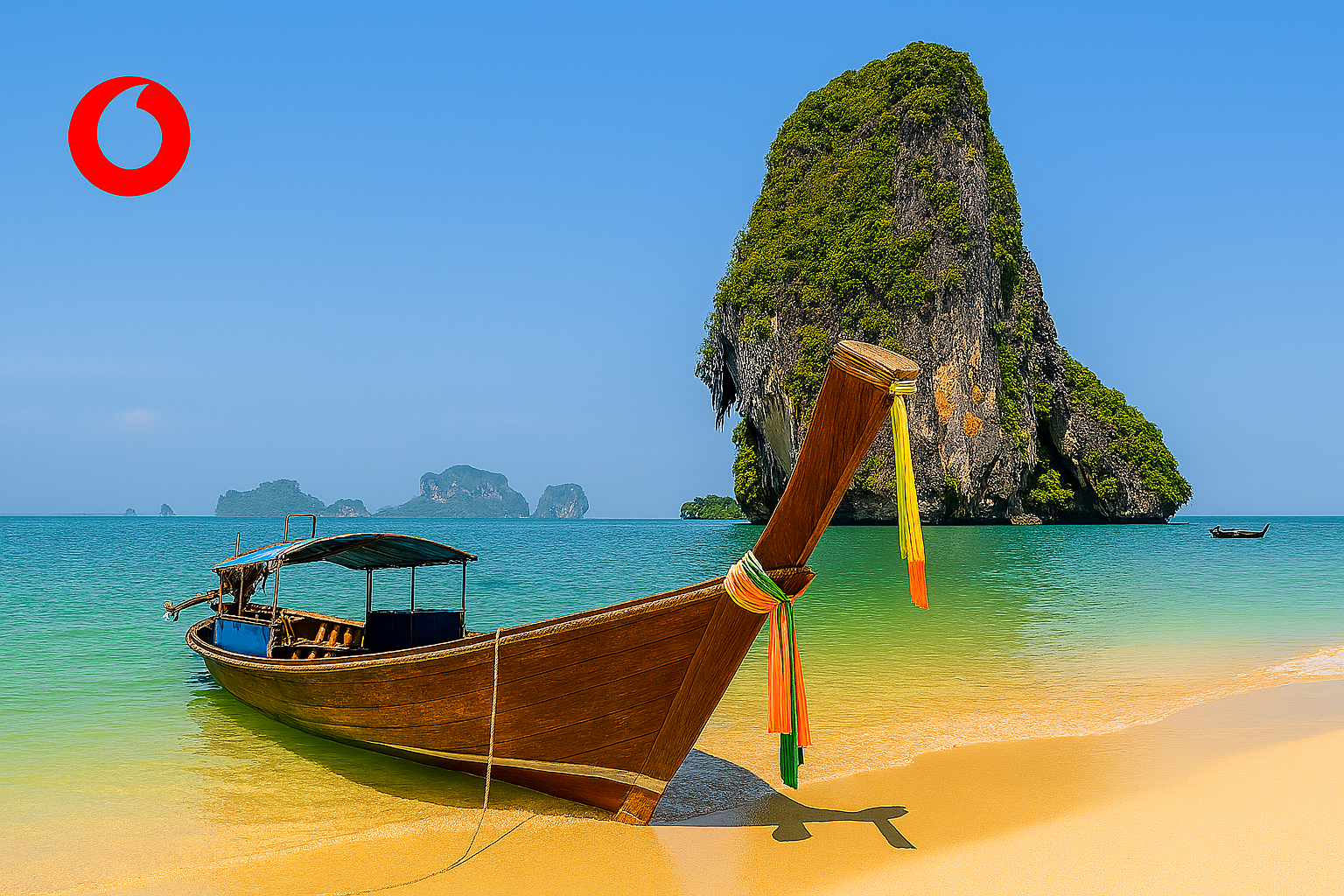
Thailand eSIM: Your Guide to Staying Connected in the Land of Smiles
Explore how to stay connected in Thailand with an eSIM. Find coverage details for Bangkok, Phuket and Chiang Mai plus setup tips for smooth travel.

Hidden Gem Destinations 2026: Stunning Alternatives to Overcrowded Hotspots
Hidden gem destinations for 2026, discover stunning alternatives to overcrowded hotspots, travel smarter, avoid the crowds and stay connected with Vodafone eSIMs.