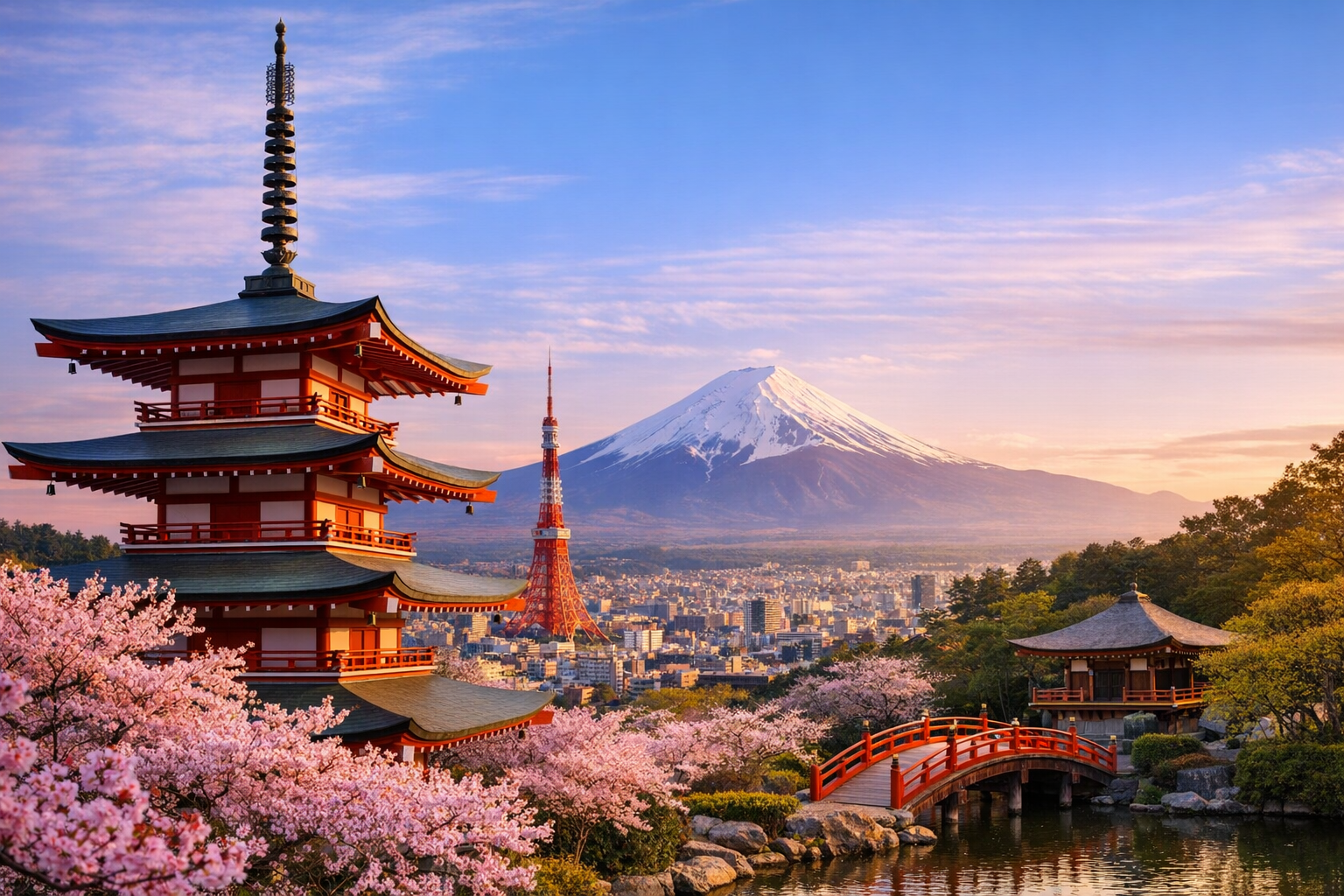
Japan Travel Guide 2026: The Ultimate Resource for UK Visitors
Japan is one of those destinations that lives up to the hype and then some. One minute you are wandering beneath ancient torii gates in Kyoto, the next you are ordering ramen from a vending machine in Tokyo, or soaking in an onsen with Mount Fuji quietly steaming in the background. For UK travellers, Japan in 2026 is more accessible, more connected and easier to navigate than ever before. English signage is widespread, transport runs with legendary precision, and mobile connectivity means translation, maps and booking apps are always at your fingertips. This ultimate Japan travel guide brings everything together in one place. Whether it is your first trip or a long-awaited return, you will find practical planning advice, cultural tips, regional highlights and essential connectivity guidance to help you travel confidently and make the most of your time.
Why Visit Japan in 2026?
Japan continues to rank as one of the most rewarding destinations in the world, and 2026 is a particularly strong year to go.
Tourism infrastructure is well developed and visitor-friendly
Regional travel beyond Tokyo and Kyoto is easier than ever
Digital payments, translation tools and navigation apps are widely supported
Seasonal travel, from cherry blossom spring to autumn foliage, is more predictable and better planned
For UK visitors, Japan offers a rare combination of safety, efficiency and genuine cultural depth. It is a destination where solo travellers, families and first-time long-haul visitors all feel comfortable very quickly.
When Is the Best Time to Visit Japan?
Japan is a true four-season destination, and the best time to visit depends on what you want to experience.
Spring (March to May)
Spring is famous for cherry blossom season, known as sakura. Late March to early April is peak bloom in Tokyo and Kyoto, with southern regions flowering earlier.
Pros:
Mild weather
Stunning scenery
Seasonal festivals and food
Things to consider:
Very busy during peak blossom weeks
Accommodation should be booked well in advance
Summer (June to August)
Summer brings festivals, fireworks and lush countryside, but also heat and humidity, especially in cities.
Pros:
Iconic festivals like Gion Matsuri
Great time for hiking in the Japanese Alps
Fewer international tourists in some regions
Things to consider:
Hot and humid conditions
School holidays increase domestic travel
Autumn (September to November)
Autumn is one of the best times to visit Japan. Temperatures are comfortable and autumn leaves transform parks and mountains.
Pros:
Beautiful foliage, especially in Kyoto and Nikko
Comfortable sightseeing weather
Excellent seasonal food
Things to consider:
Popular foliage spots can still be busy
Winter (December to February)
Winter is ideal for snow lovers and those seeking fewer crowds.
Pros:
World-class skiing in Hokkaido and Nagano
Clear views of Mount Fuji
Quieter cities and better hotel availability
Things to consider:
Cold temperatures in northern regions
Some rural attractions have limited winter access
How Long Do You Need in Japan?
Japan rewards slow travel, but even shorter trips can be deeply satisfying.
7 days: Tokyo and Kyoto highlights
10 days: Tokyo, Kyoto and Osaka, with a day trip or two
14 days: Add Hiroshima, Hakone, Nara or Kanazawa
First-time visitors often underestimate travel distances, so it helps to focus on fewer regions rather than trying to see everything at once.
Getting Around Japan
Trains and Public Transport
Japan’s rail network is one of the best in the world. The Shinkansen (bullet train) connects major cities quickly and comfortably.
Trains are punctual, clean and safe
IC cards like Suica and PASMO work across most regions
Google Maps works exceptionally well for navigation
Domestic Flights
Flying can make sense for longer distances, such as Tokyo to Hokkaido or Okinawa, especially if you are short on time.
Taxis and Ride-Hailing
Taxis are reliable but expensive. Ride-hailing apps exist but are less common than in the UK. Most travellers rely on trains and walking.
Staying Connected in Japan
Reliable mobile data is essential in Japan. Translation apps, digital tickets, navigation and restaurant booking platforms all depend on it. Using an eSIM is one of the easiest ways to stay connected from the moment you land. There is no need to queue for SIM cards or rely on patchy public WiFi. For detailed coverage information, setup tips and advice for travelling beyond major cities, see the Vodafone eSIM for Japan guide at:
Having data available at all times makes everyday travel tasks smoother, from reading train platform changes to translating menus in local neighbourhoods.
Where to Go in Japan
Tokyo: Modern Japan at Full Speed
Tokyo is vast, exciting and endlessly varied. Each neighbourhood feels like its own city. Don’t miss:
Shibuya and Shinjuku for energy and nightlife
Asakusa for traditional streets and temples
Harajuku for youth culture and fashion
Tsukiji Outer Market for street food
Tokyo rewards curiosity. Allow time to wander, get lost and discover quieter backstreets.
Kyoto: Tradition and Timeless Beauty
Kyoto is the cultural heart of Japan, home to thousands of temples and shrines. Highlights include:
Fushimi Inari’s torii gates
Arashiyama bamboo grove
Gion district and traditional teahouses
Early mornings and evenings are the best times to avoid crowds.
Osaka: Food, Fun and Friendly Vibes
Osaka is known as Japan’s kitchen and has a relaxed, humorous personality. Top experiences:
Street food in Dotonbori
Osaka Castle
Easy day trips to Nara and Kobe
Beyond the Big Cities
If time allows, consider adding:
Hiroshima for history and Miyajima Island
Hakone for hot springs and Mount Fuji views
Kanazawa for samurai districts and gardens
Hokkaido for nature, snow and seafood
Japanese Food: What to Expect
Japanese cuisine goes far beyond sushi. Must-try dishes:
Ramen, with regional variations
Tempura and tonkatsu
Okonomiyaki and takoyaki
Bento boxes from train stations
Dietary needs are increasingly accommodated, but it helps to research ahead and use translation tools when ordering.
Cultural Tips for UK Travellers
Japan is welcoming, but cultural awareness goes a long way.
Be quiet on public transport
Always queue patiently
Cash is still useful in smaller places
Tipping is not expected
Shoes are often removed indoors
A polite attitude and small gestures of respect are always appreciated.
Practical Planning Essentials
Money and Payments
Japan is increasingly cashless, especially in cities, but some rural areas and small restaurants still prefer cash.
Language
English signage is common, but learning a few basic phrases is helpful. Translation apps make communication much easier.
Safety
Japan is extremely safe, even for solo travellers. Lost items are frequently returned, and public transport runs late without issues.
Is Japan Good for Families and Solo Travellers?
Yes to both. Families benefit from:
Clean cities and transport
Safe public spaces
Kid-friendly attractions and themed cafes
Solo travellers enjoy:
High safety levels
Efficient transport
Comfortable dining alone
Japan is one of the easiest long-haul destinations to navigate independently.
Planning Your Japan Trip with Confidence
Japan may seem complex at first, but it quickly becomes intuitive once you arrive. With thoughtful planning, reliable mobile data and a flexible itinerary, travelling around Japan is smooth, rewarding and surprisingly relaxing. This guide is your starting point. From here, you can explore detailed itineraries, seasonal guides and niche Japan content across the Vodafone Travel blog.
Ready to start planning?
Get connected before you fly: travel.vodafone.com/our-destinations/japan
Browse all Vodafone travel destinations: travel.vodafone.com/our-destinations
Japan has a way of staying with you long after you return home. Start planning now, and make 2026 the year you experience it for yourself.
Related Articles
Japan eSIM Guide 2026: Stay Connected from Tokyo to Kyoto
Stay connected across Tokyo, Kyoto and beyond with this Japan eSIM guide for 2026. Learn about coverage, setup tips and the best data options for your trip.

Thailand eSIM: Your Guide to Staying Connected in the Land of Smiles
Explore how to stay connected in Thailand with an eSIM. Find coverage details for Bangkok, Phuket and Chiang Mai plus setup tips for smooth travel.
eSIM vs Roaming: Which Is Better for International Travel?
Travelling abroad? Compare eSIM vs roaming to see which is cheaper, easier and better for international travel, and avoid surprise roaming costs.