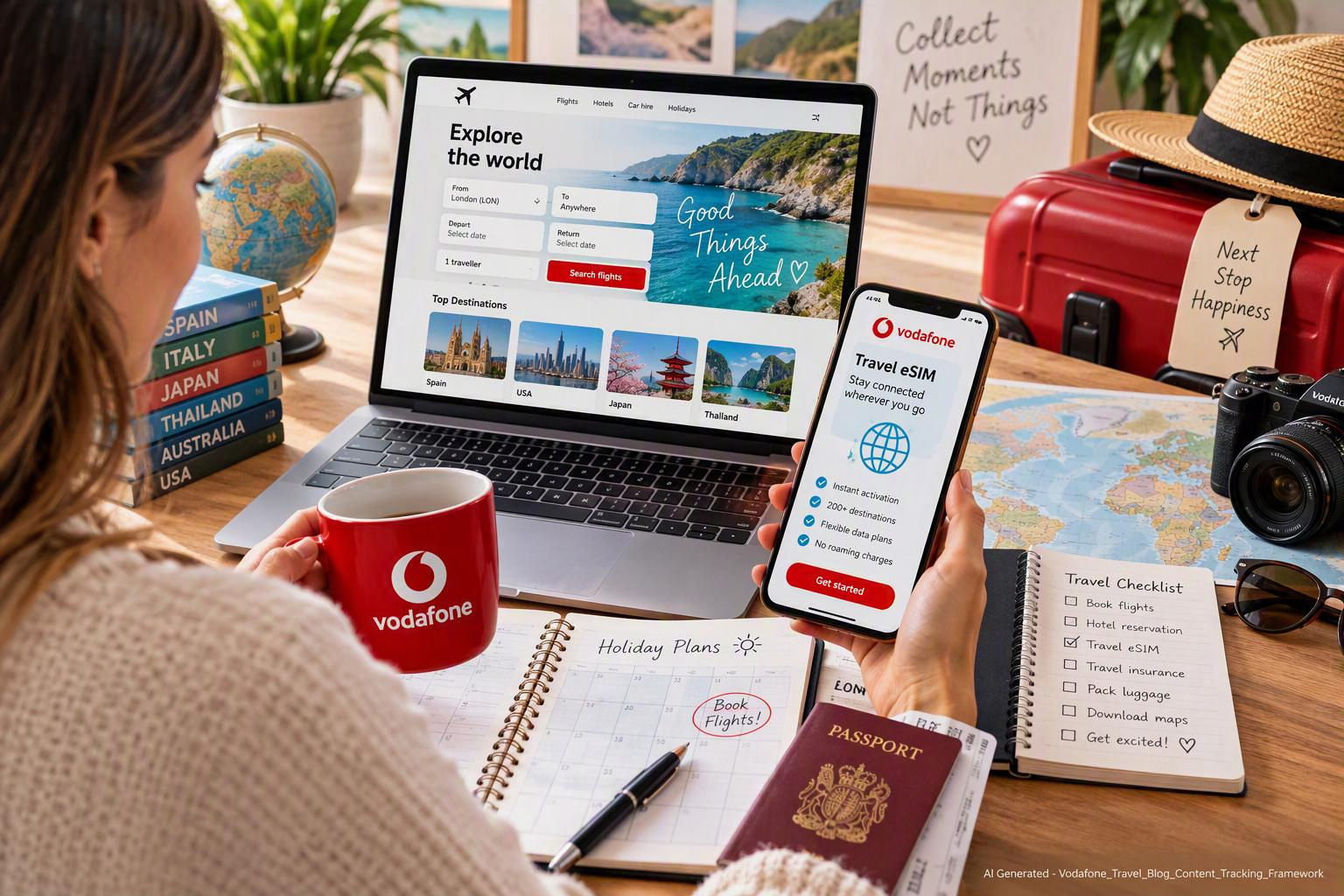
How Far in Advance Should You Book a Holiday? The Complete Booking Timeline Guide
Planning a holiday can be almost as exciting as taking one. From choosing your destination to finding the perfect hotel, every decision plays a part in shaping your trip. But one question travellers ask more than almost any other is: how far in advance should you book a holiday?
The answer is not always straightforward. Book too early and you could miss out on future deals. Leave it too late and you might face higher prices, reduced choice, or fully booked flights. The sweet spot depends on several factors including your destination, the time of year, the type of holiday, and how flexible you can be.In this guide, we'll explore the ideal booking windows for different types of holidays, when bargains are most likely to appear, and how to plan your connectivity before departure so you're connected from the moment you land.
Before you start researching destinations, it's worth understanding how a travel eSIM works so you can avoid roaming charges while travelling.
Is It Better to Book Early or Late?
Many people believe that last-minute deals always offer the best value. While that was often true years ago, travel booking patterns have changed significantly.
Airlines and hotels now use sophisticated pricing systems that constantly adjust rates based on demand. As seats and rooms start filling up, prices typically increase. This means waiting until the final weeks before departure can sometimes be the most expensive option.Booking early usually provides:
Better flight choices
More hotel availability
Greater flexibility on travel dates
Lower deposits for package holidays
More time to spread costs
However, there are still situations where late bookings can work in your favour, particularly if you're flexible about where and when you travel.
If you're planning an international trip, it's also smart to sort your connectivity before booking is complete. A quick look at Vodafone's travel eSIM plans can help you estimate travel costs beyond flights and accommodation.
The Best Time to Book Different Types of Holidays
European Beach Holidays
For destinations such as Spain, Portugal, Greece and Turkey, the ideal booking window is usually three to six months before departure.
Demand for Mediterranean holidays rises dramatically during school holidays and summer months. Families often secure bookings as early as January for July and August departures.Benefits of booking 3 to 6 months ahead include:
Better flight schedules
Wider hotel selection
Lower package holiday prices
More family room availability
Popular resorts often sell out well before summer arrives, particularly during Easter, half-term and school holiday periods.
Travellers heading abroad during peak season should consider arranging a travel eSIM before departure. Vodafone's eSIM activation guide explains how to get connected quickly after landing.
Long-Haul Holidays
For destinations like Thailand, Japan, Australia, South Africa or the USA, booking earlier generally produces better results. The recommended window is: 6 to 10 months in advance
Long-haul flights usually experience greater price fluctuations than short-haul routes. Airlines release tickets well ahead of departure, and the best fares are often available months before travel.This is particularly true for:
Christmas holidays
Easter travel
Summer school holidays
Major events and festivals
Booking early also allows more time to arrange visas, travel insurance and connectivity requirements.
If you're planning a long-haul adventure, Vodafone's destination travel eSIM options can help ensure you have mobile data from the moment you arrive.
When to Book Flights for the Best Prices
Flights tend to follow different pricing patterns than package holidays.
Domestic Flights
For UK domestic routes, booking around: 1 to 3 months before departure often delivers the best balance between cost and availability.
European Flights
For Europe, the ideal window is usually: 2 to 5 months before travel
This provides sufficient inventory while avoiding the higher fares often seen closer to departure.
Intercontinental Flights
For long-haul journeys:4 to 8 months before departure typically offers the best value. Major travel periods such as Christmas, New Year, Easter and school holidays often require even earlier booking. Many travellers spend hours comparing flight prices yet forget about data costs overseas.
Installing an eSIM before departure, can help prevent unexpected bills after arrival.
Should You Book Package Holidays Earlier?
Package holidays often reward early planners.
Tour operators regularly launch:
Early booking discounts
Free child places
Low deposit offers
Free airport parking promotions
Room upgrade incentives
For family holidays, booking between six and nine months ahead is often the safest option.
Families are competing for:
School holiday dates
Family rooms
Beachfront properties
Popular resorts
Waiting too long can significantly reduce your options.
When Last-Minute Deals Make Sense
Last-minute deals still exist, but they work best for travellers who are flexible.
You may find excellent deals if you're willing to:
Fly from different airports
Accept less popular flight times
Travel outside school holidays
Stay open to multiple destinations
The biggest savings typically appear 2 to 6 weeks before departure.
The trade-off is choice. You may save money but lose the opportunity to stay in your preferred resort or hotel.
Booking Around School Holidays
If you're travelling with children, planning ahead becomes even more important.
Summer Holidays
Book: 6 to 10 months ahead
Easter Holidays
Book: 4 to 8 months ahead
Half-Term Breaks
Book: 3 to 6 months ahead
School holiday demand creates some of the highest prices of the year. Flights, hotels and package holidays all rise as availability shrinks.Families booking early benefit from greater flexibility and often secure significantly lower prices compared with those who wait until the final months.
Before travelling, it is also worth understanding when to install and activate your travel eSIM so you're connected the moment your holiday begins.
The Cheapest Months to Travel
Sometimes when you book matters less than when you travel.
Generally, the cheapest travel months include:
January (excluding New Year)
February
March
November
These periods typically experience lower demand, creating opportunities for better deals.
Conversely, the most expensive travel periods usually include:
July
August
Christmas
New Year
Easter
School half-term weeks
Travelling just outside peak periods can create substantial savings while offering similar weather conditions.
How Far Ahead Should You Book Hotels?
Hotels often behave differently from airlines.
Cities and Weekend Breaks
For city breaks: 1 to 4 months ahead is usually sufficient.
Major cities generally have large accommodation inventories, so availability remains stronger.
Resort Destinations
For resorts: 3 to 8 months ahead often delivers the best results. Premium hotels and highly rated beachfront properties tend to sell out earlier.
Popular Events
If you're travelling during:
Sporting tournaments
Music festivals
Conferences
National celebrations
book accommodation immediately after confirming your trip. Waiting can dramatically increase costs.
What About Cruises?
Cruise holidays often reward very early booking. Many cruise lines release itineraries up to two years before sailing.
The ideal booking window is: 6 to 12 months ahead
Benefits include:
Better cabin selection
Lower introductory pricing
Early booking incentives
Flexible payment plans
The most desirable cabins frequently sell first.
The Hidden Costs of Leaving Travel Planning Too Late
Many travellers focus exclusively on airfare costs, but last-minute planning affects much more than flights.
Waiting too long can lead to:
More expensive accommodation
Limited airport parking
Higher travel insurance costs
Reduced activity availability
Fewer transfer options
It can also create avoidable stress.
Imagine landing in Tokyo, Bangkok or New York without a connectivity plan, searching for airport WiFi after a long flight. Planning ahead allows you to arrange essentials such as a travel eSIM before departure so you can use maps, transport apps and messaging services immediately.
How Booking Trends Have Changed
Several years ago, travellers could often rely on final-week discounts.
Today, travel demand is more predictable and dynamic pricing is far more advanced.
Airlines increasingly reward earlier bookings because:
Aircraft fill faster
Demand forecasting is stronger
Premium seats sell earlier
Holiday periods are heavily monitored
Hotels and tour operators use similar systems to maximise occupancy and revenue.n
As a result, the old advice to "wait for the last-minute deal" is no longer universally reliable.
Smart Booking Strategy for Most Travellers
If you want a practical rule of thumb, use the following guide:
Holiday Type | Recommended Booking Window |
European city break | 1-4 months |
European beach holiday | 3-6 months |
Long-haul holiday | 6-10 months |
Family summer holiday | 6-10 months |
Cruise holiday | 6-12 months |
Last-minute getaway | 2-6 weeks |
Festival or major event | As early as possible |
This approach balances affordability, flexibility and availability.
Signs It's Time to Book Immediately
Stop waiting and book if:
Flights are already rising week after week.
Accommodation options are disappearing.
You're travelling during school holidays.
Your destination is hosting a major event.
You have specific hotel requirements.
You've found a price within your budget.
Trying to perfectly time the absolute lowest fare can often backfire. A good price today is usually better than chasing a potentially lower price that never arrives.
How to Prepare Once You've Booked
Once your holiday is confirmed, start preparing the essentials:
Check passport validity.
Arrange travel insurance.
Book airport transfers.
Download travel apps.
Check visa requirements.
Prepare your mobile connectivity.
Many travellers leave connectivity until arrival, which can create unnecessary hassle. Installing a Vodafone travel eSIM beforehand means you can access maps, booking confirmations, ride-hailing apps and translation tools as soon as you land.
Get Connected Before You Fly
Booking your holiday at the right time can save money, but planning your connectivity can save stress.
Whether you're heading to Spain for a beach break, Japan for cherry blossom season, or New York for a city adventure, staying connected has become an essential part of modern travel.
Instead of relying on expensive roaming or airport SIM kiosks, explore Vodafone's Travel eSIM options before you leave. You'll be able to activate your plan in minutes, avoid unexpected roaming charges, and enjoy reliable data from the moment your trip begins.
Read More

Dual SIM Travel Setup: Keep Your Number for Calls and Use a Travel eSIM for Data
Keep your number active abroad while using a travel eSIM for fast, affordable mobile data.

One eSIM for Europe: Can You Use a Single eSIM Across Multiple Countries?
Wondering if you need a separate SIM for every European destination?
eSIM vs Roaming: Which Is Better for International Travel?
Travelling abroad? Compare eSIM vs roaming to see which is cheaper, easier and better for international travel, and avoid surprise roaming costs.