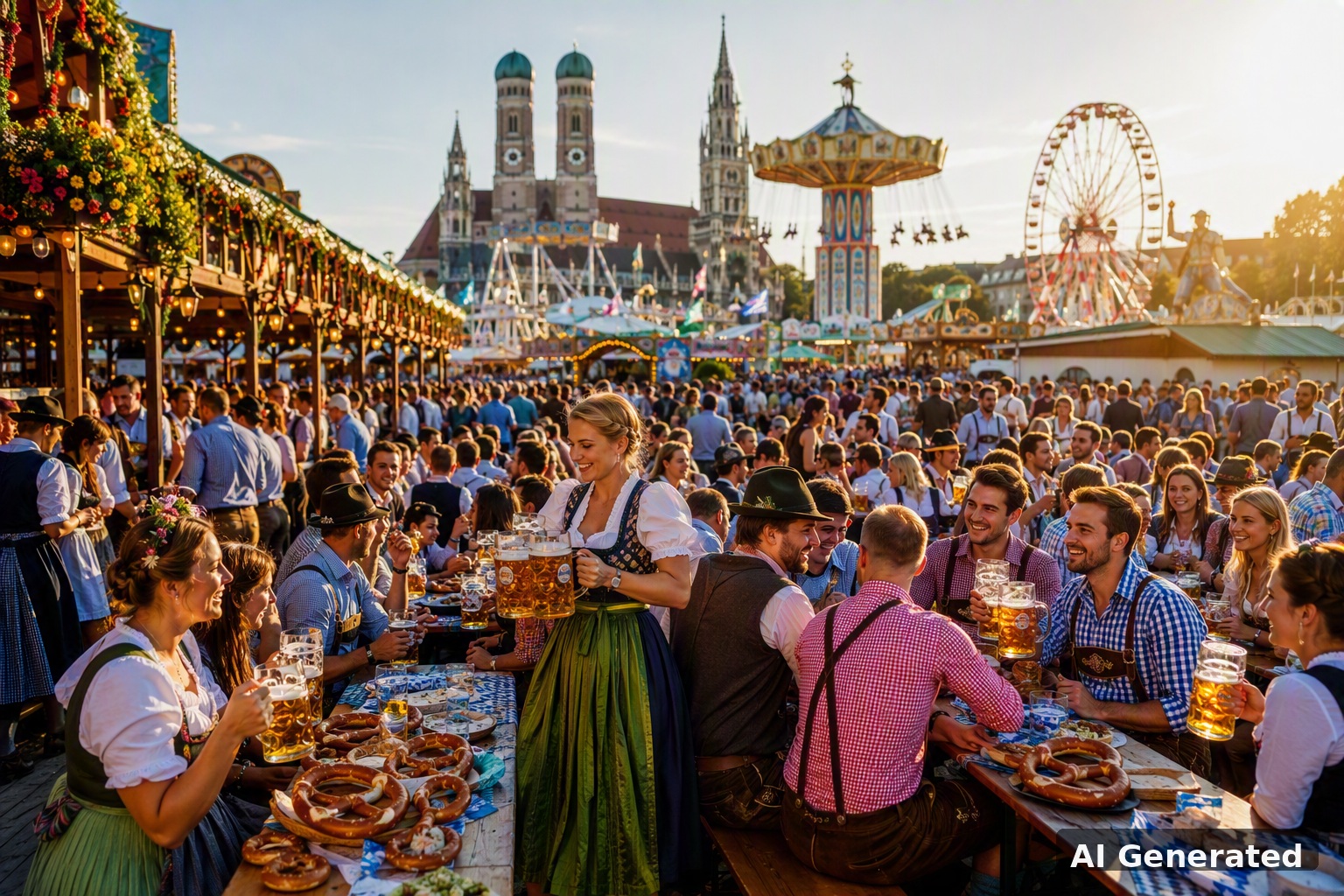
Munich During Oktoberfest: A First-Time Visitor's Guide
Every year, millions of visitors descend on Munich for one of the world's most famous festivals. Oktoberfest is more than just beer. It's a celebration of Bavarian culture, traditional food, live music, colourful parades, and unforgettable experiences that transform Munich into one giant festival ground. If you're planning your first Oktoberfest trip, the excitement can quickly be mixed with questions. Which beer tents should you visit? Do you need tickets? How much money should you bring? What should you wear? And how do you stay connected when navigating packed festival grounds and one of Germany's busiest travel periods?
This guide covers everything first-time visitors need to know before attending Oktoberfest, from planning your trip and choosing accommodation to understanding local etiquette and staying connected throughout your stay.
Before you fly, it's worth checking out Vodafone's Europe eSIM for Multi-Country Travel guide if you're combining Munich with other European destinations during your trip.
What Is Oktoberfest?
Despite its name, Oktoberfest actually begins in September and typically runs for around 16 to 18 days, ending on the first Sunday in October or shortly afterwards.The festival started in 1810 to celebrate the wedding of Crown Prince Ludwig and Princess Therese of Saxe-Hildburghausen. The original celebration proved so popular that it became an annual tradition. Today, Oktoberfest attracts more than six million visitors from across the globe.The event takes place on Theresienwiese, a huge open space in central Munich commonly known as "Wiesn" by locals. Here you'll find enormous beer tents, traditional Bavarian bands, amusement rides, food stalls, fairground attractions and thousands of revellers dressed in traditional clothing.
If you're travelling from the UK and want hassle-free mobile data as soon as you land, a Travel eSIM can help you understand how to get connected before departure.
When Is the Best Time to Visit Oktoberfest?
Weekdays vs Weekends
One of the biggest decisions you'll make is when to visit. Weekends are undoubtedly the liveliest but also the busiest. Beer tents often reach capacity early in the day and queues can become lengthy. Weekdays generally offer a more relaxed atmosphere. Visitors have a better chance of getting seats inside popular tents, restaurant waits are shorter, and hotel prices can sometimes be slightly lower. For first-time visitors, Tuesday to Thursday tends to offer the ideal balance between atmosphere and crowd levels.
Morning vs Evening
Many newcomers assume arriving late afternoon is fine. In reality, early arrival is often the smartest strategy.By midday, many popular tents begin filling up. During weekends and peak dates, some reach capacity surprisingly early. Arriving before noon allows you to explore the grounds, secure a good seat and enjoy a more relaxed experience before the crowds intensify.
You'll also find mobile navigation apps, translation tools and transport apps incredibly useful when moving around Munich. Use Vodafone's Travel E-sim to find your way around Munich.
Do You Need Tickets for Oktoberfest?
One of the most common misconceptions is that Oktoberfest requires an entry ticket. The festival grounds themselves are completely free to enter.
However, beer tents operate differently. Most tables inside major tents require reservations, particularly during evenings and weekends. Reservations typically include food and beverage vouchers and can sell out months in advance. The good news is that many sections remain available for walk-in visitors. If you're flexible and arrive early, even first-time visitors can usually find a place inside several tents without reservations.
Choosing the Right Beer Tent
With more than a dozen major beer tents and many smaller options, deciding where to go can feel overwhelming.
Hofbräu-Festzelt
Perhaps the most famous tent for international visitors. Energetic, lively and known for attracting travellers from around the world.
Schottenhamel
A favourite among younger visitors and the site where the Mayor traditionally taps the first keg to officially open Oktoberfest.
Augustiner-Festhalle
Known for a slightly more traditional atmosphere and often preferred by locals.
Paulaner Festzelt
A balanced option offering authentic Bavarian culture with plenty of music and entertainment.
Hacker-Festzelt
Nicknamed "Heaven of Bavaria", famous for its stunning interior and vibrant atmosphere. Many visitors spend so much time taking photos, sharing videos and coordinating with friends that reliable mobile data becomes essential. A Travel eSIM can help you avoid surprise roaming bills while travelling across Germany.
What Should You Wear?
One of the most enjoyable parts of Oktoberfest is dressing for the occasion.
For Women
The traditional outfit is a dirndl, consisting of:
Dress
Apron
Blouse
An interesting local tradition involves the apron bow.
Left side: Single
Right side: Taken
Centre: Virgin
Back: Widow or waitress
For Men
The standard outfit is lederhosen paired with:
Checkered shirt
Traditional socks
Bavarian shoes
While dressing up isn't mandatory, many visitors enjoy immersing themselves in the experience. Avoid low-quality novelty costumes if possible. Authentic outfits generally provide a better experience and are appreciated by locals.
Where Should You Stay in Munich?
Accommodation during Oktoberfest sells out quickly. Ideally, book several months in advance.
Best Areas to Stay
Ludwigsvorstadt
Closest to festival grounds.
Altstadt-Lehel
Munich's historic city centre.
Maxvorstadt
Excellent restaurants, museums and nightlife.
Schwabing
A lively area popular with younger travellers.
Near Public Transport Stations
Many visitors choose hotels outside the centre and simply use Munich's excellent transport network. If you're arriving from another European city before heading to Munich, a single Europe Travel eSIM can make border crossings easier while keeping you connected throughout your journey.
Getting Around Munich During Oktoberfest
Munich boasts one of Europe's best public transportation systems. Visitors can rely on:
U-Bahn (underground)
S-Bahn (urban rail)
Trams
Buses
Attempting to drive during Oktoberfest is usually not recommended. Parking is limited, traffic is heavy and beer consumption makes driving impractical. Most visitors purchase daily or multi-day public transport passes. Popular transport apps become especially valuable when crowds build during evenings.
Having instant access to maps, train schedules and ticketing apps is one reason many travellers now activate their connectivity before departure using a Germany and Europe eSIM solution.
How Much Does Oktoberfest Cost?
Oktoberfest can be surprisingly expensive if you don't budget carefully.
Typical Costs
Beer
A litre of beer (known as a Maß) generally costs between €13 and €16.
Food
Expect approximately:
Pretzel: €4 to €8
Sausage meals: €12 to €20
Roast chicken: €16 to €25
Accommodation
Hotel prices increase significantly during the festival period.
Budget hotel: €150+ per night
Mid-range hotel: €250 to €450 per night
Premium accommodation: €500+ per night
Transport
Munich's public transport remains relatively affordable compared to many major European cities. Carrying a combination of cash and cards remains wise, although contactless payments are increasingly accepted.
Oktoberfest Etiquette Every First-Time Visitor Should Know
Understanding a few local customs will improve your experience.
Tip Your Servers
Waitstaff cover enormous areas and work incredibly hard throughout the festival. Rounding up or leaving a small tip is customary.
Respect Table Reservations
Never assume an empty reserved table is free to use. Always check reservation signs first.
Drink Responsibly
Oktoberfest beer is typically stronger than standard beer. The one-litre servings can catch visitors off guard.
Stand Appropriately
Standing on benches is generally acceptable. Standing on tables is not.
Learn a Couple of German Phrases
Simple phrases such as:
Hallo
Bitte
Danke
can go a long way.
Safety Tips for Oktoberfest
While Oktoberfest is generally safe, the huge crowds mean visitors should stay alert.
Keep Your Belongings Secure
Pickpocketing occasionally occurs in crowded areas.
Use:
Secure bags
Zip pockets
Hotel safes
Stay With Your Group
Large crowds can separate people quickly. Create designated meeting points before entering busy tents. Messaging apps and live location sharing become especially useful here. A pre-installed Travel eSIM for Europe ensures everyone can stay connected without relying on unpredictable public Wi-Fi.
Pace Yourself
Many first-time visitors underestimate Oktoberfest beer. Drink water regularly and eat throughout the day.
Save Emergency Information Offline
Store:
Hotel details
Emergency contacts
Transport information
on your phone before heading out.
Beyond Oktoberfest: Exploring Munich
Although Oktoberfest may be the main attraction, Munich offers far more than beer tents.
Marienplatz
The city's historic heart.
Nymphenburg Palace
One of Germany's most beautiful palaces.
English Garden
Larger than New York's Central Park and perfect for relaxation.
Viktualienmarkt
A food lover's paradise filled with local produce and Bavarian specialities.
BMW Museum
Ideal for automotive enthusiasts.
Many visitors extend their stay and use Munich as a base for exploring destinations including:
Salzburg
Neuschwanstein Castle
Innsbruck
Lake Königssee
If you're planning a wider European adventure, Vodafone's Europe E-sim can help determine the best connectivity option for your route.
Frequently Asked Questions
Do you need a reservation for Oktoberfest?
No. Entry is free, and many tent sections are available on a first-come, first-served basis.
What is the legal drinking age?
Visitors aged 16 and over can legally purchase beer in Germany.
Is Oktoberfest suitable for families?
Yes. Families often attend during mornings and weekdays.
Can I use cards at Oktoberfest?
Some vendors accept cards, but carrying cash remains advisable.
How many days should I spend in Munich?
Three to four days is ideal for combining Oktoberfest with sightseeing around the city.
Is public Wi-Fi enough?
Not always. Festival crowds can put pressure on public networks, making mobile data a more reliable option for navigation, ride-hailing, ticket access and staying in touch with friends.
Get Connected Before You Raise Your First Maß
Oktoberfest is one of Europe's most exciting travel experiences, but it's also one of the busiest. Whether you're navigating crowded beer tents, finding your hotel after a long day, booking transport, sharing photos with friends, or coordinating your group across Munich, staying connected can make a huge difference.
Before you travel, explore Vodafone Travel's Europe eSIM options and set everything up before departure. You'll land in Munich ready to explore, navigate and celebrate without worrying about expensive roaming charges or searching for airport SIM cards. Whether you're cheering with new friends inside a packed beer tent or exploring Bavaria beyond the festival grounds, having reliable connectivity means one less thing to think about and more time to enjoy your first Oktoberfest experience. Disclosure: Some visuals featured in this article may be AI-generated to help illustrate travel concepts and connectivity scenarios. They do not represent actual destinations, services, or user experiences.
Read More
One eSIM for Europe: Can You Use a Single eSIM Across Multiple Countries?
Wondering if you need a separate SIM for every European destination?
eSIM vs Roaming: Which Is Better for International Travel?
Travelling abroad? Compare eSIM vs roaming to see which is cheaper, easier and better for international travel, and avoid surprise roaming costs.
Europe eSIM for Multi‑Country Travel: Greece, Italy and Beyond
Travelling across Europe? Discover how a Europe eSIM keeps you connected in Greece, Italy and beyond, with one plan, seamless coverage and no roaming surprises.