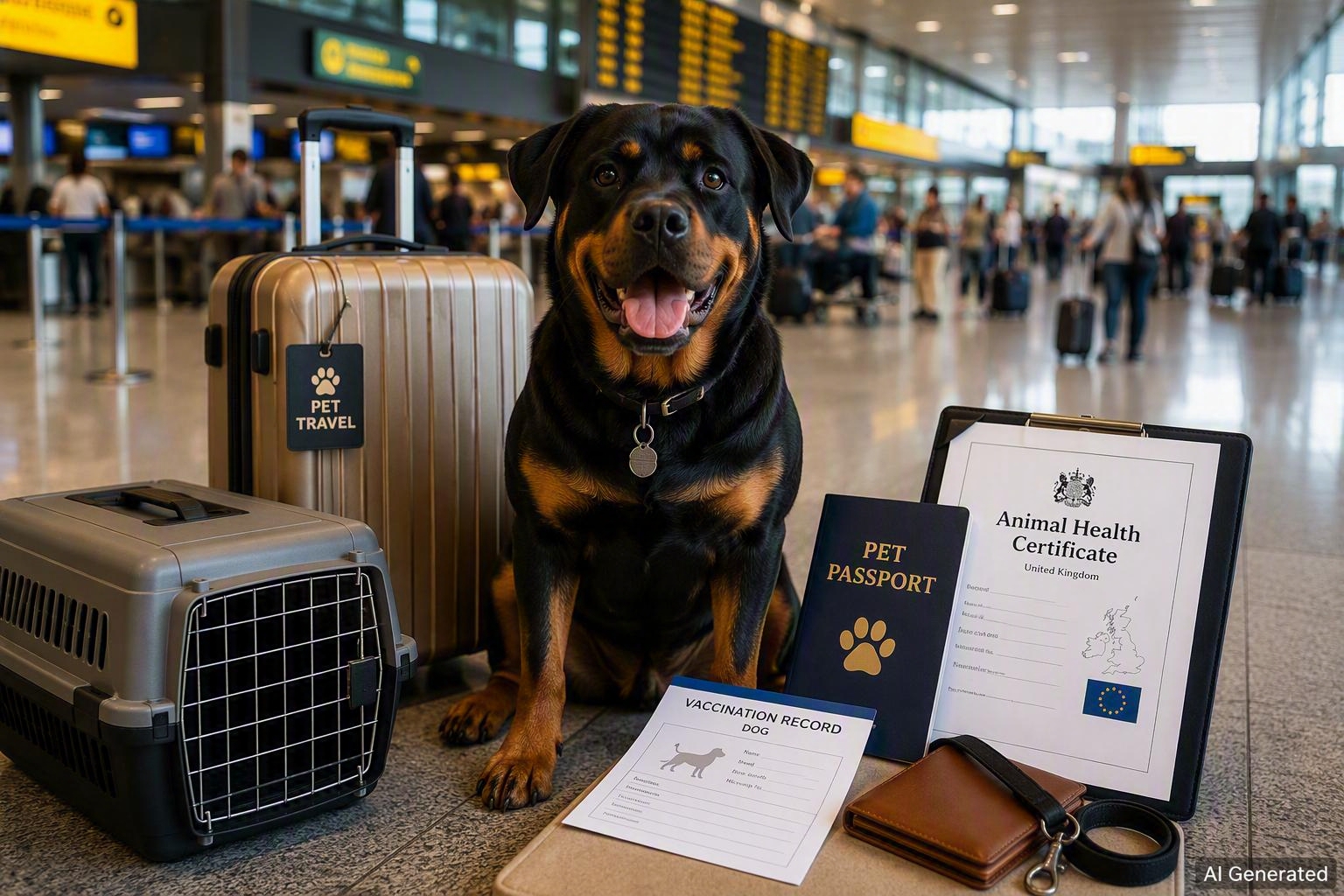
What Documents Does Your Dog Need for Travel? A Complete Guide for UK Pet Owners
Travelling abroad with your dog can be an unforgettable experience. Whether you're planning a road trip through France, a beach holiday in Spain, or a longer European adventure, getting the paperwork right is one of the most important parts of the journey.
Rules for pet travel have changed significantly in recent years, and arriving at a border without the correct documentation could mean delays, quarantine, or even being refused entry altogether. The good news is that with a little preparation, travelling internationally with your dog can be surprisingly straightforward.
In this guide, we'll explain exactly what documents your dog needs for international travel, when you'll need them, and how to prepare before departure.
Why Dog Travel Documentation Matters
Every country has animal health regulations designed to prevent the spread of diseases such as rabies. As a result, authorities often require evidence that your dog has been properly identified, vaccinated, and approved for travel.
Documentation requirements vary depending on:
Your destination
How you're travelling
Your dog's age
Whether you're travelling from the UK or another country
The Essential Documents Most Dogs Need for International Travel
1. Animal Health Certificate (AHC)
For most UK travellers visiting EU countries, the Animal Health Certificate is one of the most important documents.
An AHC:
Confirms your dog is properly identified
Verifies vaccination status
Certifies the animal is fit for travel
Is issued by an Official Veterinarian
The certificate generally needs to be obtained shortly before travel, so avoid leaving arrangements until the last minute.
You should contact your vet several weeks before your trip to understand appointment availability and documentation requirements.
2. Microchip Registration Evidence
Most international destinations require dogs to be microchipped.
The microchip:
Must be implanted before rabies vaccination
Must be readable and compliant with international standards
Must match the details recorded on official documentation
While proof of registration is not always requested at every border, carrying your microchip registration details is strongly recommended.
Common mistake to avoid
A mismatch between the microchip number on your documentation and the chip itself can invalidate travel documents.
3. Rabies Vaccination Record
Rabies vaccination is mandatory for entry into many countries.
Your vaccination record should clearly show:
Dog's details
Microchip number
Vaccination date
Vaccine manufacturer
Expiry date
Vet's signature
Many countries require the rabies vaccine to be administered a specified period before travel. It's always worth checking the latest destination-specific requirements before booking.
If you'll rely on your phone for accessing vaccination records, confirmations and border documentation while abroad, consider setting up a travel eSIM before departure to avoid searching for airport Wi-Fi when you land.
Stay Connected While Travelling With Your Dog
Many pet owners now store copies of:
Vaccination records
Accommodation bookings
Veterinary contacts
Insurance documents
Having reliable mobile data can make accessing these records much easier during a journey.
Explore Vodafone Travel eSIM options before you leave so your travel documents remain accessible wherever you're headed.
Additional Documents Some Countries May Require
4. Tapeworm Treatment Record
Certain countries require proof of tapeworm treatment before arrival.
The treatment:
Must be administered by a veterinarian
Must be recorded officially
Usually has a strict administration window before entry
Countries can change animal health requirements with little notice, so always verify details before travelling.
5. Import Permit
Some destinations require an import permit in addition to standard health documentation.
Import permits are more commonly required for:
Long-haul destinations
Non-EU countries
Certain island nations
Application processes can take weeks or months, making early research essential.
6. Pet Passport (Where Applicable)
Although UK-issued pet passports are no longer used in the same way as before Brexit, pet passports issued in certain countries may still be valid for travel. If your dog already has a passport issued in an eligible country, check whether it remains acceptable for your intended route.
Many travellers confuse pet passports with Animal Health Certificates, but the requirements differ depending on your circumstances.
Documents for Returning to the UK
Bringing your dog home can involve additional requirements.
Depending on where you've travelled, you may need:
Valid microchip identification
Rabies vaccination evidence
Tapeworm treatment certification (where applicable)
Supporting health documentation
Before travelling, always check the latest UK re-entry guidance.Keeping digital copies accessible on your phone can help simplify border inspections and reduce stress during your return journey.
If you're concerned about managing mobile access abroad, our travel e-sim is the way to go about it.
Create a Dog Travel Document Folder
The easiest way to stay organised is to create a dedicated travel folder containing:
Physical Copies
Animal Health Certificate
Vaccination records
Microchip details
Insurance paperwork
Emergency veterinary contacts
Digital Copies
PDFs stored on your device
Cloud backups
Email copies
Shared access with another family member
This simple step can save significant stress if paperwork is misplaced.
What About Flying With a Dog?
Airlines frequently have their own documentation requirements beyond destination entry rules.
These may include:
Veterinary fitness certificates
Airline pet declarations
Crate compliance forms
Booking confirmations
Always check with your airline directly before travelling.
Documentation checks often occur during check-in, making preparation crucial.
Pet Travel Insurance Documents
While not always mandatory, carrying pet insurance documentation is highly recommended.
Insurance documents should include:
Policy number
Emergency contact information
Coverage details
Veterinary assistance helpline
Unexpected veterinary costs abroad can be expensive, so understanding your coverage before departure is important.
How Far in Advance Should You Prepare?
A useful timeline might look like this:
3-6 Months Before Travel
Check destination requirements
Confirm microchip details
Review vaccination status
1-2 Months Before Travel
Arrange any required vaccinations
Book vet appointments
Review airline procedures
1-2 Weeks Before Travel
Obtain Animal Health Certificate (where required)
Prepare document folder
Save digital copies
Day Before Departure
Double-check paperwork
Confirm travel bookings
Ensure documentation is easily accessible
Many travellers also activate their travel connectivity before leaving.
Frequently Asked Questions
Does my dog need a passport to travel?
Not necessarily. UK travellers often require an Animal Health Certificate instead. Requirements depend on the destination and travel route.
Does every dog need a microchip?
Most international destinations require microchip identification before travel.
Can I use vaccination records instead of an Animal Health Certificate?
Usually not. Many destinations require both vaccination evidence and official certification.
How long is an Animal Health Certificate valid?
Validity periods vary depending on the specific journey and destination rules.
Should I carry paper copies?
Yes. Digital copies are useful, but paper copies remain strongly recommended.
Get Your Trip Connected Before You Go
Travelling with a dog means keeping important information at your fingertips, from vaccination records and insurance details to accommodation confirmations and emergency veterinary contacts.Before you leave, make sure you're connected from the moment you arrive. A Vodafone Travel eSIM can help you access essential travel documents, navigate unfamiliar destinations, and stay in touch without relying on public Wi-Fi or expensive roaming charges.
Explore Vodafone Travel eSIM destinations and get set up before your journey begins.
AI Declaration: This article was created with the assistance of artificial intelligence and reviewed for accuracy, clarity and SEO best practices. Travellers should always verify the latest pet travel requirements with official government and veterinary sources before departure.
Read More

Best Weekend Getaways in Europe This September: 11 Incredible Escapes for Late Summer Travel
Discover the best European weekend getaways this September, from coastal retreats to city breaks.

Best Pet-Friendly Travel Destinations: The Ultimate Guide for Travelling with Your Dog or Cat
Discover the world's best pet-friendly travel destinations and stay connected with Vodafone Travel eSIMs.

Munich During Oktoberfest: A First-Time Visitor's Guide
First time at Oktoberfest? Discover Munich tips, beer tents, costs, travel advice and how to stay connected.